
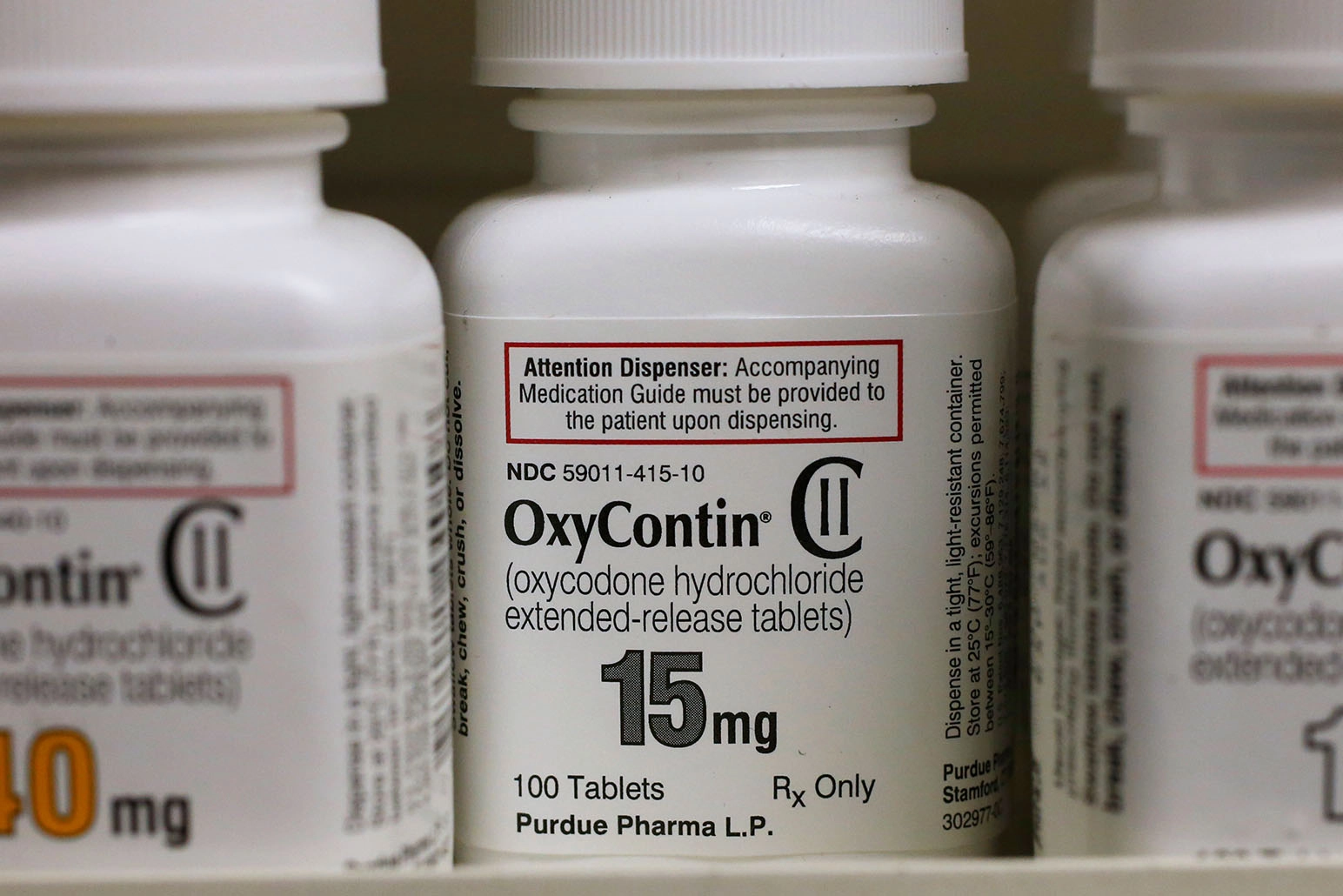

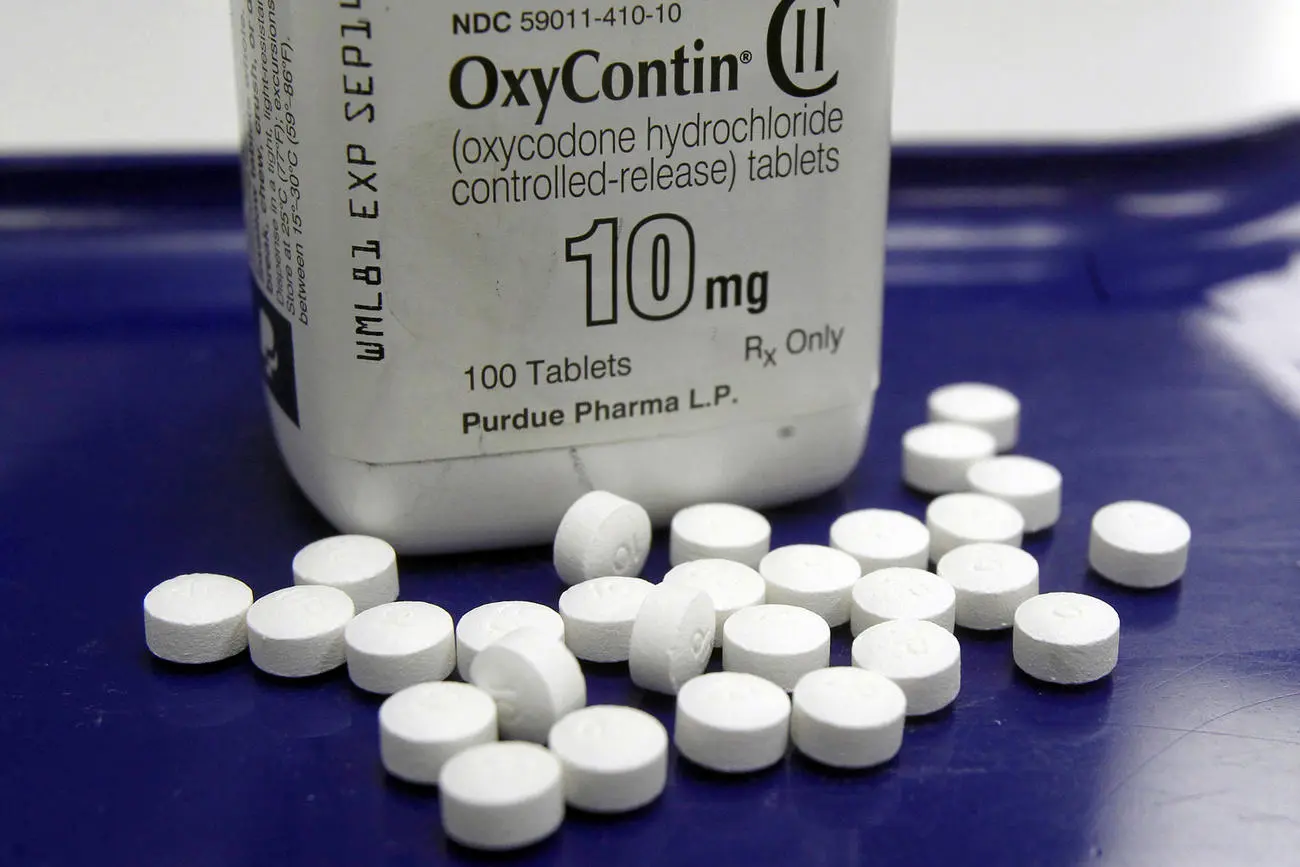
Buy Oxycontin UK | Buy oxycontin online|Oxycontin for sale uk
OxyContin is a prescription opioid pain medicine used to treat severe and persistent pain when other pain relief options are not enough. It contains oxycodone in a prolonged-release form, which means the medicine is designed to release slowly over time rather than work immediately. This makes it suitable for patients who need continuous, around-the-clock pain control instead of short-term relief.
In the UK, OxyContin is one of the recognised brand names for oxycodone, alongside other brands such as Oxypro, Longtec, and Shortec. It is considered a strong opioid and is generally reserved for serious pain conditions, particularly when non-opioid treatments or weaker painkillers have failed. Because it is powerful, OxyContin also carries significant risks, including addiction, misuse, overdose, and life-threatening breathing problems.
What Is OxyContin?
OxyContin is the brand name for prolonged-release oxycodone hydrochloride tablets. Oxycodone itself is a strong opioid analgesic, sometimes referred to as a narcotic painkiller. It works by changing the way the brain and nervous system respond to pain signals. Unlike immediate-release oxycodone, which is used for faster pain relief, OxyContin is designed to provide longer-lasting pain control over many hours.
This makes OxyContin especially useful in patients with chronic severe pain, cancer-related pain, or pain that requires stable relief throughout the day and night. It is not designed to be used casually or occasionally. Instead, it is typically prescribed on a fixed schedule.
OxyContin vs Oxycodone: What’s the Difference?
A lot of people search for OxyContin and oxycodone as if they are exactly the same thing, but there is an important difference. Oxycodone is the active drug itself, while OxyContin is a brand-name prolonged-release version of that drug. In simple terms, OxyContin is oxycodone, but not all oxycodone products are OxyContin.
Immediate-release oxycodone works faster and is often used for breakthrough pain or short-term pain episodes. OxyContin works more slowly and lasts longer, making it more appropriate for ongoing pain that needs steady control.
Why Is OxyContin Prescribed?
OxyContin is usually prescribed for severe and persistent pain that cannot be adequately controlled with other treatments. It may be used in patients with cancer pain, long-term chronic pain, severe injury-related pain, or palliative care needs. It is not usually a first-choice painkiller, and it is not intended for mild pain or pain that comes and goes occasionally.
In both U.S. and UK prescribing guidance, OxyContin is reserved for patients whose pain is serious enough to require a strong opioid and where alternative options are ineffective, not tolerated, or simply not adequate.
How OxyContin Works in the Body
OxyContin is a prolonged-release opioid, which means it is specially formulated to release oxycodone slowly over time. Instead of giving a quick burst of pain relief, it aims to maintain a more consistent level of pain control across many hours. This is why it is commonly taken at regular intervals, often every 12 hours, rather than multiple times throughout the day like some faster-acting pain medicines.
Because of the way it is designed, OxyContin should always be used exactly as prescribed. The prolonged-release mechanism is central to both its benefit and its risk.
Why You Must Never Crush or Chew OxyContin
One of the most important safety rules with OxyContin is that the tablets must be swallowed whole. They should never be crushed, chewed, split, dissolved, or tampered with in any way. If the tablet is broken down before swallowing, the prolonged-release system can fail, causing a large amount of oxycodone to be released all at once. That can lead to a potentially fatal overdose.
This warning appears repeatedly in official safety information because misuse of the tablet’s design is one of the most dangerous ways OxyContin can become deadly.
Key Safety Rule
OxyContin tablets should always be swallowed whole with water and taken exactly as directed by the prescriber. They should never be cut, crushed, chewed, or dissolved.
OxyContin Uses: Who Should Take It?
OxyContin is intended for people with severe pain that requires long-term, scheduled opioid treatment. It is not for everyday aches and pains, and it is not a medicine that should be used “just in case” pain happens later. Doctors may prescribe it when a patient’s pain is constant, serious, and no longer controlled by weaker medications or alternative therapies.
Patients receiving OxyContin are usually those who need reliable pain coverage throughout the day, rather than short bursts of relief. This often includes cancer patients, people in palliative care, and selected chronic pain patients under close medical supervision.
OxyContin Is Not a PRN Medicine
A key point many patients miss is that OxyContin is not intended as an “as needed” painkiller. It is not the type of medicine you take only when pain suddenly appears. Because it is prolonged-release, it is designed for scheduled use at set times. Using it casually or inconsistently can increase the risk of side effects, poor pain control, and medication misuse.
OxyContin Side Effects: Common and Serious
Like all strong opioids, OxyContin can cause both common side effects and serious adverse reactions. Some side effects are expected and manageable, especially when treatment first begins. Others can be dangerous and require urgent medical attention.
Common OxyContin Side Effects
The most common side effects associated with OxyContin include constipation, nausea, vomiting, drowsiness, dizziness, itching, headache, dry mouth, sweating, and general weakness. Many of these side effects are typical of opioids and may be more noticeable when a patient first starts treatment or when the dose is increased.
Constipation is particularly common and often becomes a long-term issue in people taking opioids regularly. Because of that, many clinicians proactively address bowel management when prescribing OxyContin.
Serious OxyContin Side Effects
The most serious risk with OxyContin is respiratory depression, which means breathing becomes dangerously slow or shallow. This can happen when treatment starts, after a dose increase, when the medicine is combined with alcohol or sedatives, or when the patient has other risk factors such as lung disease or older age.
Other serious problems can include severe sedation, confusion, low blood pressure, fainting, seizures, and allergic reactions. In the most dangerous cases, OxyContin overdose can cause coma or death.
The Biggest Danger: Respiratory Depression
Respiratory depression is the side effect that matters most from a safety standpoint. If someone becomes unusually sleepy, difficult to wake, confused, or appears to be breathing slowly, shallowly, or irregularly, this is an emergency. The risk is highest during the first few days of treatment or after a dosage increase, but it can happen at any time, especially if OxyContin is misused or combined with other depressant substances.
OxyContin and Addiction: Can You Become Dependent?
Yes, OxyContin can absolutely cause dependence and addiction. It contains oxycodone, which is a powerful opioid with a high potential for misuse, abuse, physical dependence, tolerance, and overdose. Even when it is prescribed correctly and used for legitimate pain, the risk still exists.
Understanding Dependence, Tolerance, and Addiction
Physical dependence means the body adapts to the presence of the drug over time. If the medicine is stopped suddenly, withdrawal symptoms can occur. Tolerance means a patient may eventually need a higher dose to achieve the same level of pain relief. Addiction is different. It involves compulsive use, loss of control, cravings, or continued use despite harm.
Not everyone who takes OxyContin becomes addicted, but the possibility is real enough that every patient should be monitored carefully.
Risk Factors for OxyContin Addiction
The risk is higher in people with a personal or family history of substance misuse, alcohol misuse, mental health conditions such as depression, previous overdose history, or long-term exposure to opioids. Combining OxyContin with benzodiazepines or other sedatives can also increase risk, both for addiction-related harm and overdose.
Signs of Possible Misuse
Possible warning signs include taking more than prescribed, running out early, using the medicine for emotional relief instead of pain, craving the tablets, hiding use, or experiencing withdrawal between doses. If any of these patterns appear, medical review is important as soon as possible.
OxyContin Overdose Warning: What to Do in an Emergency
An OxyContin overdose can be fatal, and quick action can save a life. Signs of overdose often include very slow breathing, blue or grey lips, pinpoint pupils, unusual snoring or choking sounds, inability to wake the person, or complete loss of consciousness.
If an overdose is suspected, emergency services should be contacted immediately. If naloxone is available, it should be used right away. Even if the person seems to improve after naloxone, they still need emergency medical care because opioid effects can outlast the reversal medication.
Should OxyContin Patients Have Naloxone?
In many cases, yes. Naloxone is especially worth discussing if the patient is on a higher opioid dose, has breathing problems, takes benzodiazepines or sedatives, has a history of overdose, or lives with children or others who could accidentally ingest the medicine. Having naloxone available can be a life-saving safety measure.
OxyContin Drug Interactions You Should Never Ignore
OxyContin can interact dangerously with many medicines and substances. Some of these interactions increase sedation, while others raise oxycodone blood levels and make overdose more likely.
Benzodiazepines and Other CNS Depressants
One of the most dangerous combinations is OxyContin with benzodiazepines or other central nervous system depressants. This includes medicines such as diazepam, lorazepam, alprazolam, sleeping tablets, muscle relaxants, antipsychotics, gabapentin, pregabalin, alcohol, and other opioids.
When these drugs are combined, the sedative effects can stack together and cause profound drowsiness, respiratory depression, coma, or death. This is why doctors are warned to avoid these combinations unless there is no better alternative and the patient can be monitored closely.
CYP3A4 Inhibitors and Inducers
Some medicines affect the way the body processes oxycodone. CYP3A4 inhibitors, such as erythromycin, ketoconazole, and ritonavir, can raise oxycodone levels in the bloodstream. That increases the risk of sedation, respiratory depression, and overdose. CYP3A4 inducers, such as rifampin, carbamazepine, and phenytoin, can reduce oxycodone levels, which may reduce pain control or trigger withdrawal in dependent patients.
This is one reason why OxyContin users should always tell their doctor or pharmacist about every medicine they take, including over-the-counter drugs and supplements.
Contraindications: When It Should Not Be Used
OxyContin should not be used in patients with significant respiratory depression, acute or severe bronchial asthma in an unmonitored setting, known or suspected gastrointestinal obstruction including paralytic ileus, or known hypersensitivity to oxycodone.
It should also be used with extreme caution in patients who are elderly, debilitated, have chronic lung disease, have severe liver or kidney impairment, or have conditions that increase the risk of sedation or breathing problems.
Buy OxyContin in the UK: What Patients Should Know
In the UK, OxyContin is a prescription-only medicine used for severe pain, particularly when other painkillers are not sufficient. The NHS recognises OxyContin as one of the branded forms of oxycodone, alongside Oxypro, Longtec, and Shortec. UK guidance generally places it within the category of strong opioids used for serious pain conditions, especially cancer pain or severe chronic pain requiring specialist oversight.
UK Brand Names and Prescribing Context
Patients in the UK may encounter OxyContin alongside other oxycodone brands depending on the formulation. Some are immediate-release and others are slow-release. OxyContin specifically refers to the prolonged-release form, which is why it is used for scheduled long-term pain control rather than quick relief.
UK Safety Advice
UK prescribing information makes it clear that OxyContin tablets are usually taken at 12-hour intervals and must be swallowed whole. It also warns that higher strengths, including 60 mg, 80 mg, and 120 mg tablets, should not be used in opioid-naive patients because of the high risk of fatal respiratory depression.
This is a critical point, especially for readers searching from the UK who may assume all strengths are interchangeable. They are not.
OxyContin in Pregnancy, Breastfeeding, and Older Adults
OxyContin requires special caution in certain groups of patients because the risks can be significantly higher.
Pregnancy
Long-term opioid use during pregnancy can lead to neonatal opioid withdrawal syndrome in the baby after birth. This condition can be life-threatening if not recognised and treated. It is one of the most serious reasons pregnant patients taking OxyContin should be closely monitored and managed by an experienced clinician.
Breastfeeding
Oxycodone can pass into breast milk, and this raises concern about excessive sedation or respiratory depression in the infant. For that reason, breastfeeding is generally not recommended during treatment with prolonged-release oxycodone unless a specialist has carefully assessed the situation.
Older Adults
Older adults often clear oxycodone more slowly and are more vulnerable to respiratory depression, confusion, falls, low blood pressure, and sedation. That is why dose selection is usually more conservative in geriatric patients, especially if they are frail, debilitated, or not already opioid-tolerant.
OxyContin Withdrawal: Never Stop Suddenly
If you have been taking OxyContin regularly, stopping suddenly can cause withdrawal symptoms. These may include anxiety, sweating, shaking, muscle aches, nausea, vomiting, diarrhoea, insomnia, restlessness, and a rebound increase in pain.
Why Tapering Matters
Because the body can become physically dependent on opioids, a gradual dose reduction is usually safer than abrupt discontinuation. A clinician may recommend a tapering plan based on how long the patient has been taking OxyContin, what dose they are on, what type of pain they have, and how vulnerable they are to withdrawal or relapse.
Stopping suddenly without medical guidance is one of the most common mistakes patients make with long-term opioid therapy.
OxyContin vs Other Pain Relief Options
OxyContin is not the right choice for every patient, and in many cases doctors consider non-opioid options first. Depending on the type of pain, alternatives may include paracetamol, NSAIDs, topical therapies, nerve pain medications, physiotherapy, injections, or multidisciplinary pain management.
Guidelines increasingly encourage clinicians to use opioids only when the benefits clearly outweigh the risks. That said, OxyContin still has an important role in selected patients with severe, persistent pain that is not controlled by safer alternatives.
When OxyContin May Still Be Appropriate
OxyContin may still be a valid treatment when the pain is constant and severe, when other treatments have failed or are not tolerated, and when the patient can be monitored properly. In these situations, the goal is not just pain relief but stable function, reduced suffering, and a controlled, structured treatment plan.
Best place to buy OxyContin UK online
Buy OxyContin UK can be safe when bought here . Oxycontin is used exactly as prescribed, in the right patient, under close medical supervision. It can offer meaningful relief for severe and persistent pain, especially in cases where other treatments are no longer enough. But it is not a routine painkiller, and it is not a medication to take lightly.
Reviews
There are no reviews yet.