
Buy Acetic Acid Online| Order Acetic Acid
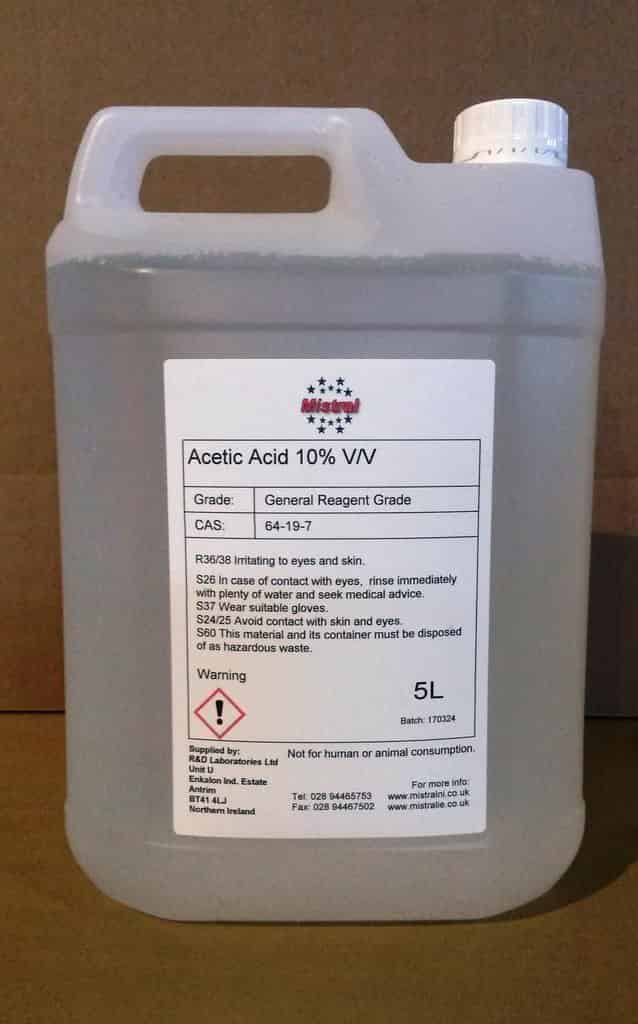
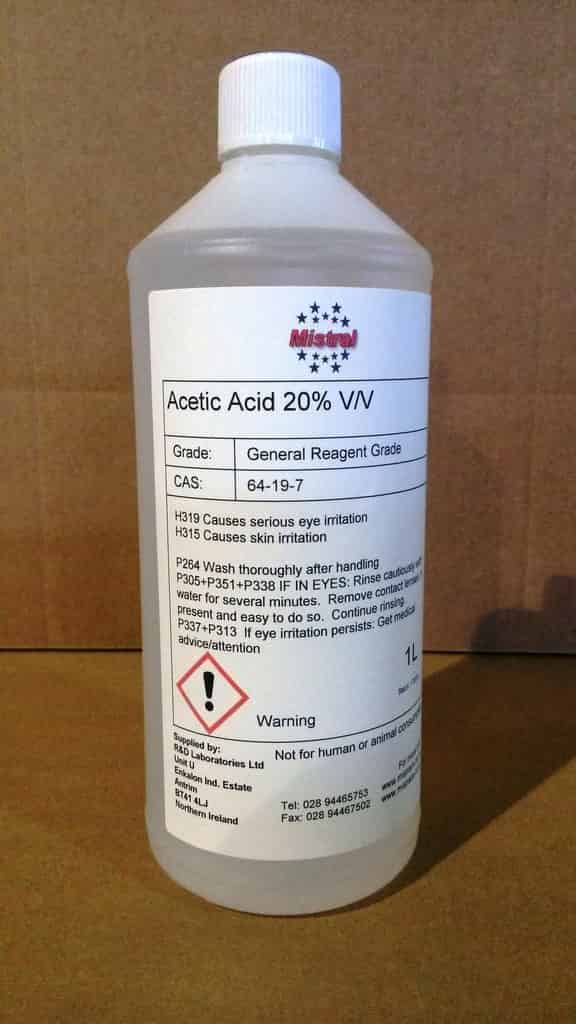
Buy Acetic acid (systematic name: ethanoic acid) is an organic compound with the formula CH₃COOH. Recognized for its pungent smell and acidic properties, it plays a significant role in various industrial, medical, and household applications. If you’re looking to buy acetic acid online, especially for research or manufacturing use, understanding its properties, uses, legalities, and safe handling is crucial.
In this comprehensive 2025 guide, we’ll cover: Picture this scenario: You’re in a modern research lab, analyzing new methods to make chemical processes more sustainable. Your colleague hands you a small bottle labeled “Glacial Acetic Acid” with a confident smile. Intrigued, you ask, “Why acetic acid? Isn’t that basically vinegar?” Your colleague responds, “You’d be surprised—this everyday chemical is far more versatile than most people realize. We’re on the cusp of using it in advanced renewable energy systems, next-gen materials, and even groundbreaking pharmaceuticals.”
This guide unravels the innovative uses of acetic acid—a simple yet exceptionally powerful organic compound that remains at the forefront of cutting-edge research and industrial applications. From its storied past (hello, vinegar!) to its potential role in the future of nanotechnology, acetic acid is a multifaceted chemical that has captured the attention of scientists, manufacturers, and forward-thinking innovators.
What is Acetic Acid?
Acetic acid is a colorless liquid organic compound with a distinctive sour smell and strong corrosive properties. It’s the main component of vinegar (typically around 4–8%) but is widely used in its glacial form (pure acetic acid, ≥99%). Molecular Formula: CH₃COOHBoiling Point: 118.1°CMelting Point: 16.6°CDensity: 1.05 g/cm . Whether you’re a researcher seeking the latest insights, a manufacturer exploring cost-effective and eco-friendly solutions, or simply a curious reader wanting to learn more, this guide is designed to keep you engaged with compelling facts, relatable stories, and detailed resources.Acetic acid, often recognized for its tangy smell in vinegar, is a colorless organic compound denoted by the chemical formula CH₃COOH. While it’s commonly associated with culinary uses—particularly pickling and flavoring—acetic acid’s properties extend far beyond the kitchen. In its purest form—glacial acetic acid—it serves as a crucial reagent in laboratories, a building block in various industrial processes, and an emerging star in cutting-edge research.
Chemical Composition and Properties
Molecular Formula: CH₃COOH
Molecular Weight: Approximately 60.05 g/mol
Boiling Point: 118.1 °C (244.6 °F)
Melting Point: 16.7 °C (62.1 °F)
Solubility: Miscible with water, alcohol, and many other organic solvents
Acetic acid is a carboxylic acid, placing it in a category of organic compounds characterized by the presence of a carboxyl group (–COOH). Its acidity is moderate, with a pKa value around 4.76, making it useful for pH adjustments in both laboratory and industrial processes.
Key Takeaway: Acetic acid’s versatile solubility and moderate acidity allow it to blend seamlessly into various chemical matrices, making it indispensable in numerous formulations.
Early Use: Food preservation and medicinal elixirs in ancient Egypt, Greece, and Rome.
Industrial Revolution: Rapid advancements in distillation and fermentation techniques.
Modern Era: Petrochemical routes like methanol carbonylation became standard, paving the way for large-scale manufacturing of glacial acetic acid.
3. Modern Applications of Acetic Acid
The uses of acetic acid have expanded dramatically over the years, infiltrating fields from biotechnology to advanced manufacturing. Let’s delve into some of the most exciting and innovative applications shaping the chemical’s 21st-century identity.
3.1 Healthcare and Pharmaceuticals
Wound Care and Antiseptics: Dilute acetic acid solutions are effective in managing wound infections, especially those caused by antibiotic-resistant bacteria like Pseudomonas aeruginosa.
Drug Synthesis and APIs: Acetic acid is used as a solvent and reagent to synthesize esters and anhydrides critical in pharmaceuticals.
3.2 Renewable Energy and Biofuel Production
Bioconversion Pathways: Acetic acid plays a pivotal role in biofuel production by serving as an intermediate in microbial biomass conversion.
Fuel Cells and Electrochemistry: Research shows potential in using acetic acid as a feedstock in microbial fuel cells for cleaner energy.
3.3 Nanotechnology and Advanced Materials
Graphene Synthesis: Acetic acid offers a gentler alternative to strong acids for purification in graphene production.
Polymer Enhancements: It modifies polymer surfaces for coatings and adhesives, enhancing mechanical properties.
3.4 Manufacturing and Industry
Vinyl Acetate Monomer (VAM) Production: A key intermediate for plastics used in adhesives and coatings.
Industrial Cleaning: Concentrated acetic acid solutions are employed for cleaning and descaling in various industries
Reviews
There are no reviews yet.